
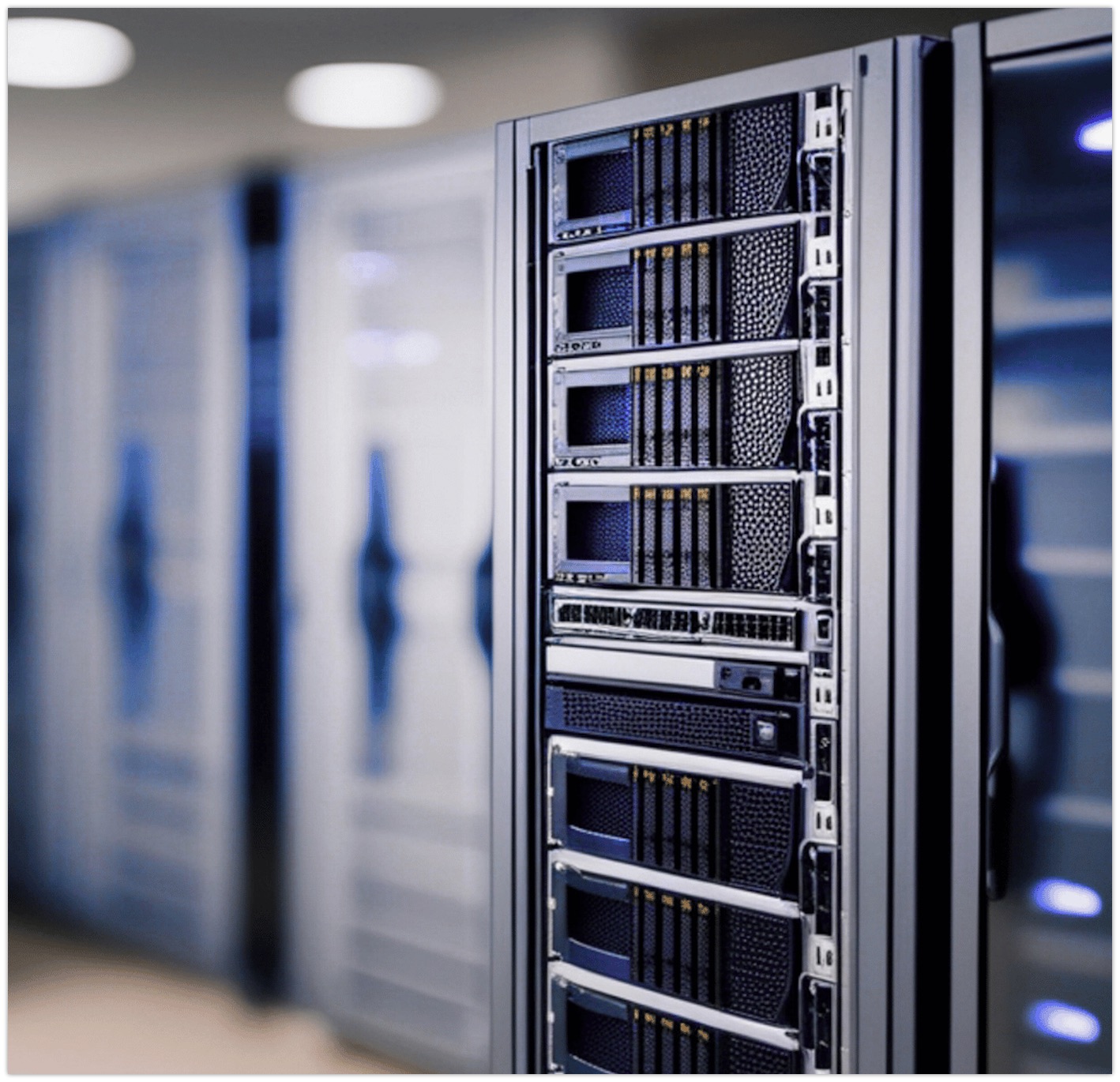
Most data centers look identical on paper.
Tier 3.
99.999% uptime.
Redundant power.
But outages don’t happen on paper.
They happen at 2am. Under load. When assumptions break.
That’s where the real differences show.
Start with the only question that matters
Not “what’s the SLA?”
Ask this:
What happens when things fail?
Because they will.
1. Location is not just geography
“Tel Aviv = good connectivity” is not enough.
Ask:
- Is the facility exposed to physical risk?
- What happens during escalation?
- Are access routes redundant?
In Israel, this isn’t theoretical
2. Power is not redundancy - it’s independence
Everyone says N+1.
Few can answer:
- How long can the site operate without the grid?
- What happens if fuel supply is disrupted?
Look for:
- operational autonomy
- real-world tested scenarios
3. Cooling is now a limiting factor
AI workloads changed everything.
If you’re planning:
- GPU clusters
- high-density racks
Your constraint is heat.
Ask:
- What kW per rack is supported today?
- Is liquid cooling deployed or just planned?
4. Connectivity is everything
A data center without connectivity is just a building.
You want:
- carrier-neutral access
- direct cloud on-ramps
- multiple international routes
In Israel, route diversity matters.
5. Certifications don’t equal resilience
Tier 3 is a design standard.
It doesn’t guarantee:
- operational performance
- crisis response
- real uptime under stress
Ask for proof:
- incident handling
- recovery scenarios
- team experience
6. People matter more than infrastructure
When things break:
systems don’t recover themselves
people do
Look for:
- experienced teams
- clear runbooks
- real incident history
Where this shows up in practice
In Israel, the gap between specifications and real-world performance is already visible.
Some providers are designing for it.
MedOne, for example, operates und
erground, carrier-neutral data centers with a focus on maintaining operations under non-ideal conditions going beyond standard Tier classifications.
Not as positioning.
As a requirement from the environments they support.
The bottom line
Choosing a data center isn’t about specs.
It’s about behavior under pressure.
Planning infrastructure in Israel?
Set up a 20-minute architecture review and stress-test your assumptions.